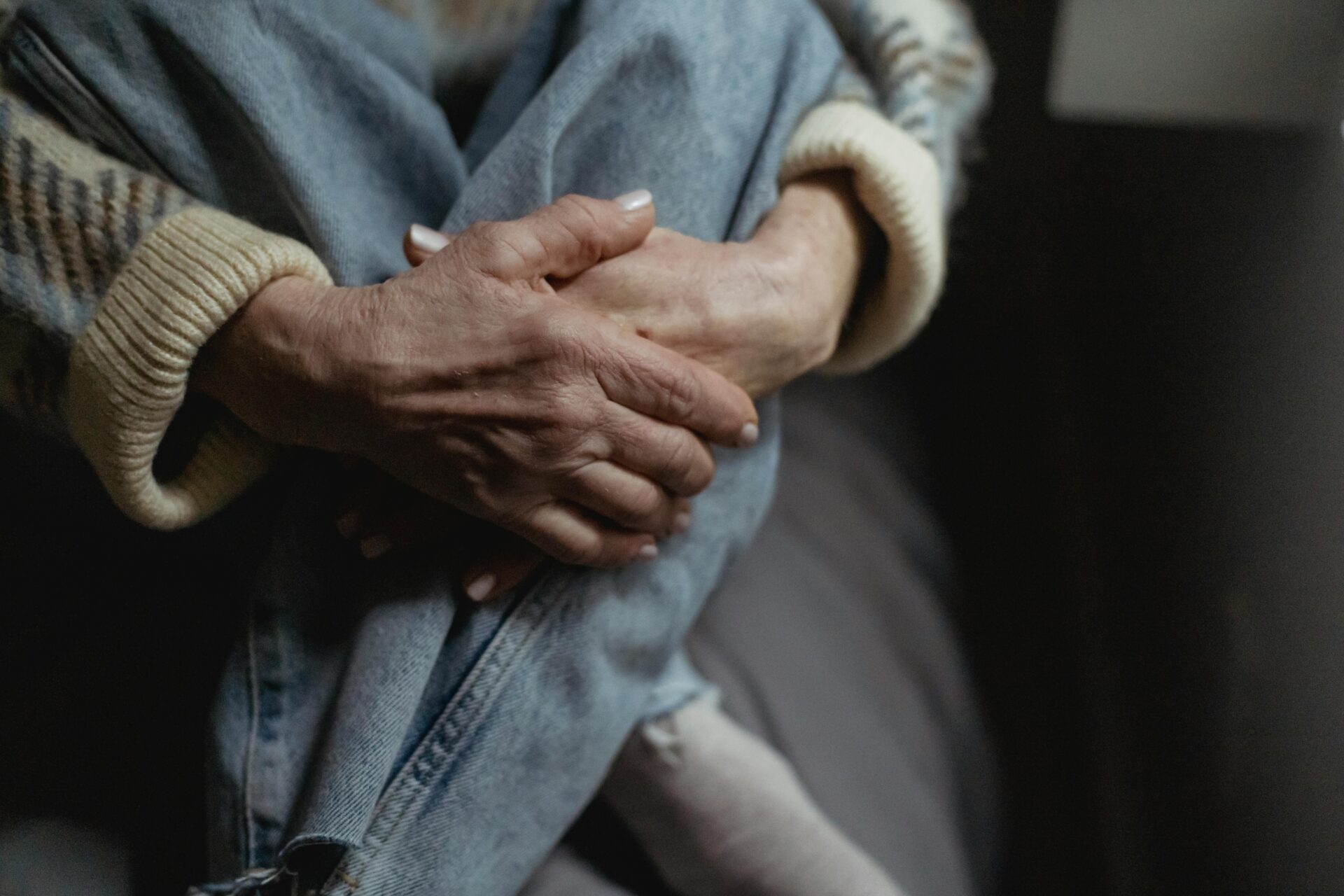
Grief is rarely simple. When a person who causes harm dies, the emotional landscape can become even more complex, particularly for survivors of sexual, domestic, and similar types of violence.
Why Grief After Harm Can Feel So Confusing
For many survivors, the death of a person who caused harm can surface a range of emotions that may feel contradictory or difficult to name. Grief, anger, relief, confusion, numbness, sometimes all at once. These responses are not unusual. They reflect the layered reality of trauma and the human need to make sense of what was never resolved.
The Impact of Unresolved Trauma and Lack of Accountability
This moment can be especially challenging for survivors who never reported the harm or did not receive the accountability or justice they hoped for. The death of the person who caused harm can close off the possibility of being heard, believed, or validated in ways that once felt possible. That loss can deepen feelings of powerlessness and unfinished grief.
When Community Grief Feels Isolating
At the same time, grief is often experienced collectively. Communities gather to remember the person who has died, frequently focusing on positive memories and shared loss. While this can be meaningful for many, it can also be isolating for survivors who carry a different truth. Hearing others speak positively about someone who caused harm can feel invalidating or even retraumatizing.
It is important to name this reality: survivors are not obligated to participate in memorials, conversations, or expressions of grief that feel unsafe.
Trauma Responses Do not End with Death
Trauma responses may also intensify during this time. Even after death, the impact of harm does not disappear. Survivors may experience flashbacks, anxiety, or physical reactions connected to past trauma. These responses are not signs of weakness or dysfunction. They are natural, body-based responses to experiences of harm.
Making Sense of Conflicting Emotions
Conflicting emotions are also common. A survivor may feel anger that accountability will never happen, relief that the person no longer exists in their world, or even grief. None of these emotions negate the harm that occurred. Instead, they reflect the complexity of human experience and the ways trauma and loss can coexist.
Setting Boundaries During Collective Mourning
Too often, survivors feel pressure to remain silent in the face of death, guided by social expectations around respect and mourning. There may be an unspoken expectation to protect the memory of the person who died or to avoid disrupting collective grief. But survivors are not responsible for managing how others remember someone who caused harm. They are allowed to set boundaries, to step away, and to prioritize their own safety and healing.
What Support Can Look Like
Healing in this space often requires support, and that support can look different for everyone. Some survivors may benefit from working with trauma-informed therapists or connecting with others who have had similar experiences. Others may find comfort in creative expression, using writing, art, or movement as a way to process what feels too complex to put into words.
Healing Without Closure or Justice
The death of a person who caused harm does not erase what happened. It also does not mark the end of a survivor’s healing. Healing remains an ongoing, personal process. It does not require forgiving or forgetting. It may instead involve rebuilding a sense of safety, reclaiming one’s voice, and allowing space for truth without comparison or minimization.
Moving Forward at Your Own Pace
There is no linear path through this experience. Some days may feel heavier than others. What matters is that survivors are able to move at their own pace, in ways that honor their needs.
There are organizations that offer space for healing. For those navigating grief, especially young people, Mourning Hope Grief Center and Collective for Hope provide community-based support and opportunities to process loss. Survivors looking for connection or resources beyond their immediate community might turn to Survivors.org, which offers peer support, or RAINN, which provides confidential support and information. For those who connect more with nonverbal forms of healing, Art with Heart offers tools centered on creative expression.


 Donate Today