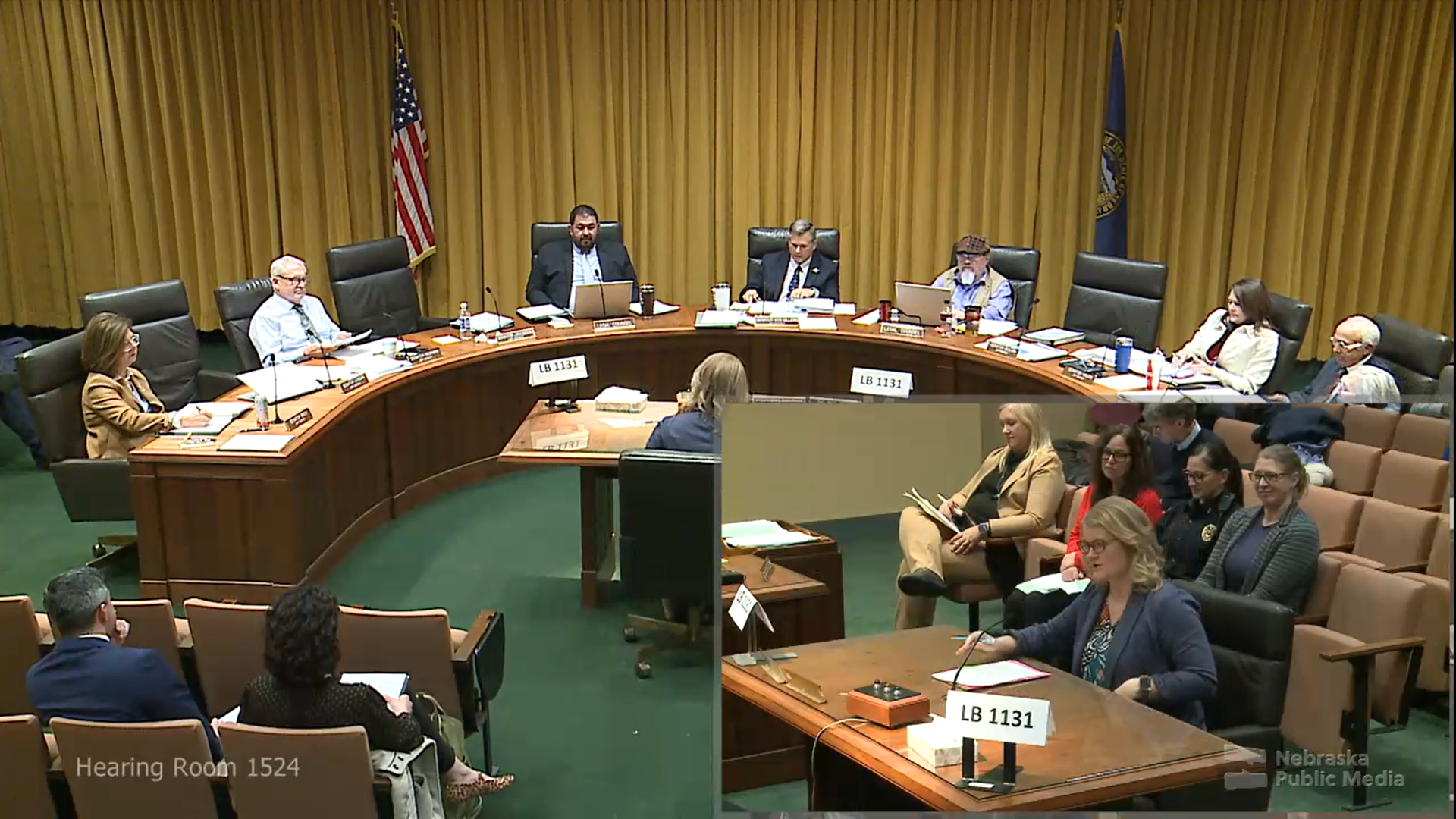
Decisions made in the Nebraska Legislature shape the safety, rights, and recovery pathways available to survivors across the state. Whether it’s legal protections, housing programs, crisis services, or prevention education, state-level policies impact how and whether people get the support they need.
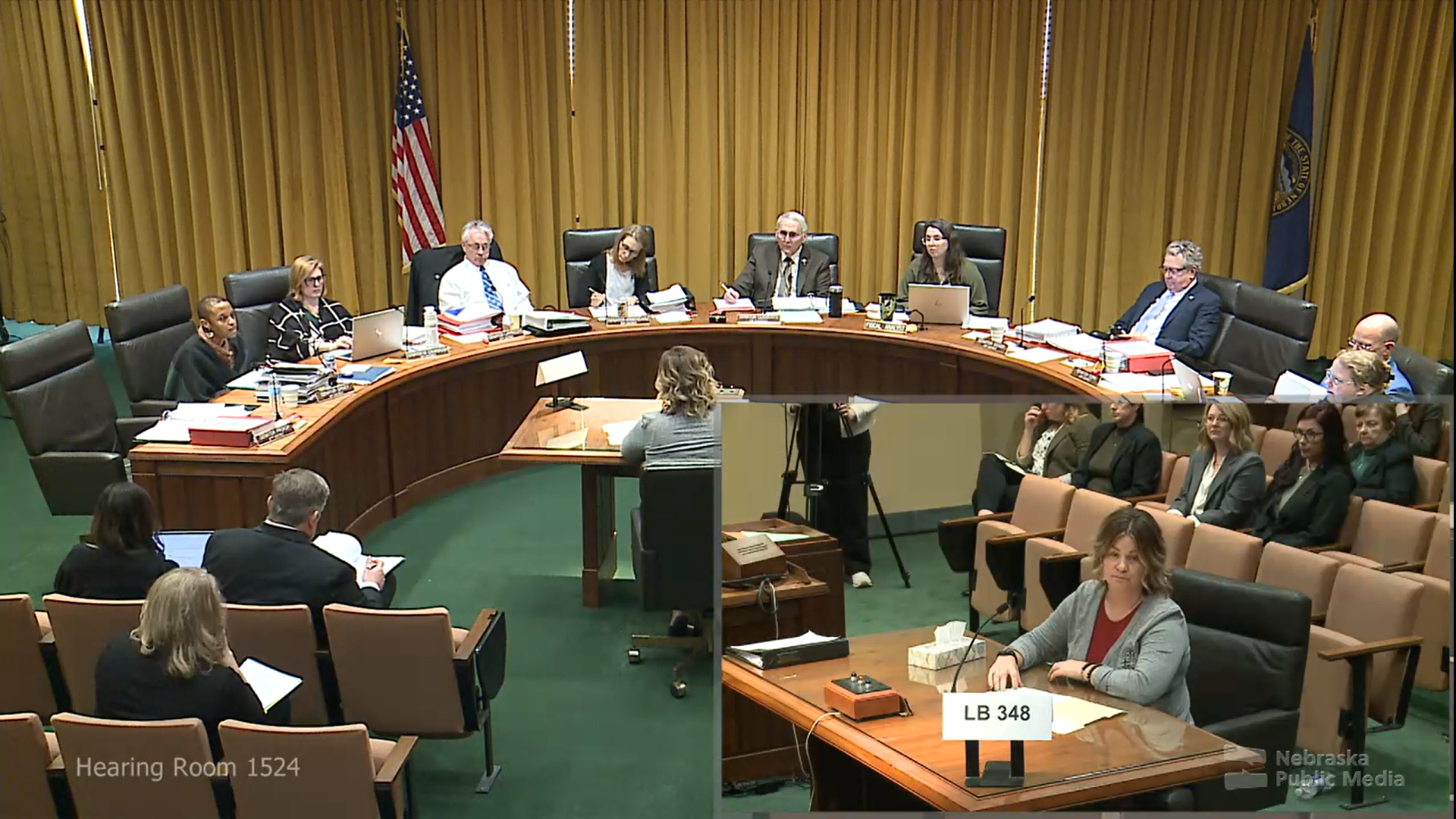
Each year, the Nebraska Coalition to End Sexual and Domestic Violence works to advance laws that reflect the realities survivors face and promote meaningful violence prevention efforts. We also help community members understand what’s at stake and how they can make a difference.
Throughout each legislative session, the Nebraska Coalition:
Advocacy for violence prevention and survivor support at the state level may focus on legislation, agency regulations, and the state budget. While the Nebraska Coalition selects priority issues each year, there are many relevant issue areas, including:
Funding for Services: State dollars sustain shelters, helplines, legal services, and prevention programs. Increasing funding to survivor services, establishing sustainable funding sources, and investing in prevention can help ensure service providers and anti-violence organizations have what they need to do their work effectively.
Affordable, Safe Housing: Domestic violence is one of the leading causes of homelessness. Tenant protections, emergency housing, and supportive housing models can improve survivor’s access to affordable, safe housing.
Legal Protections for Survivors: Laws define who qualifies for protections, what legal remedies exist, and how survivors navigate the justice system. Expanded access to protection orders, confidentiality protections, legal assistance, and child custody reforms, for example, can help improve legal protections for survivors.
Education Policy: What’s taught in schools and how student behavior is addressed affects long-term prevention. Advocating for comprehensive sex education, trauma-informed practices, mental health services, and limits on exclusionary discipline can help prevent intimate partner violence before it happens.
Healthcare & Mental Health: Survivors need access to healing and support, but care can be costly or hard to reach. Medicaid expansion, trauma-informed behavioral health services, and telehealth access can make healthcare and mental health services more accessible for survivors.
Criminal & Civil Justice Reform: Systems meant to support survivors can sometimes cause harm, especially for certain communities. Things like survivor-centered reforms, alternatives to incarceration, access to legal aid, and police accountability can help reduce harm.
Rural Equity: Survivors in rural Nebraska may face long distances to services, a lack of anonymity, or few local resources. Advocating for rural transportation funding, broadband for telehealth, local organization sustainability, and rural law enforcement training, for example, can help address these barriers.
Workplace Protections & Economic Security: Financial dependence is a common barrier to leaving abusive situations. For example, paid leave, employment protections, childcare access, and housing assistance can help support survivors in achieving financial independence.
Firearm Safety: Access to firearms increases the risk of homicide in domestic violence situations. Advocating for the enforcement of gun relinquishment laws, red flag legislation, and prohibitions for convicted abusers can help address this risk factor.
Access to Safety & Justice: Systemic and institutional barriers can create and maintain unequal access to resources, opportunities, and outcomes, including access to safety and justice, for different community and social groups. Advocating for culturally specific services, anti-discrimination laws, language access, and protections for marginalized survivors can help address these barriers.
Share your position on important bills by submitting online comments for public committee hearings. You can do this from your own home in just a few minutes. Your online comment can be included in the public hearing record if submitted by 8:00 a.m. CST the day of the committee hearing.
Share your story and perspective on important bills by testifying at public committee hearings.
The Nebraska Coalition offers one-on-one support to survivors of sexual, domestic, and similar types of violence who choose to share their stories and testify at legislative committee hearings. We can provide resources, guidance, and emotional support to help you navigate the legislative process. Contact us for more information.
Use your voice and speak up when the Nebraska Coalition shares public calls-to-action via social media and Public Policy Alerts.
Share the calls-to-action with your friends, family, and colleagues
Write letters to the editor or op-eds to raise awareness.
Call or email your senator to share your story or position.

Every state senator has a powerful vote on key issues. Your vote helps decide who represents your voice.
Change starts with leadership that reflects lived experience and community needs.


Nebraska Civic Engagement Table
Voices for Children in Nebraska
Coalition for a Strong Nebraska
Community Tool Box: Influencing Policy Development
Follow Nebraska Coalition

Catch up on the latest news and updates from the Nebraska Coalition and the movement to end violence in Nebraska.

Explore free educational and information materials for survivors and partners working towards a future free from violence.

Learn how you can support the mission to end sexual and domestic violence in Nebraska and in your community.
 Donate Today